Duvet covers and bed skirts form essential components of a coordinated bedding setup, offering both protective and decorative functions. This category emphasizes fabric choices, thread counts, and closure mechanisms, helping you understand how a duvet cover preserves comfort while a bed skirt provides finished aesthetics. Materials like cotton, linen, and blends influence breathability and durability for everyday use.
Understanding duvet cover features such as enclosure types, zipper versus button closures, and corner ties can improve usability and longevity. Fabric weight and weave determine drape and warmth, while care instructions guide maintenance. A well-chosen duvet cover supports hygiene by reducing direct contact with the duvet while enhancing bed presentation with subtle texture and color.
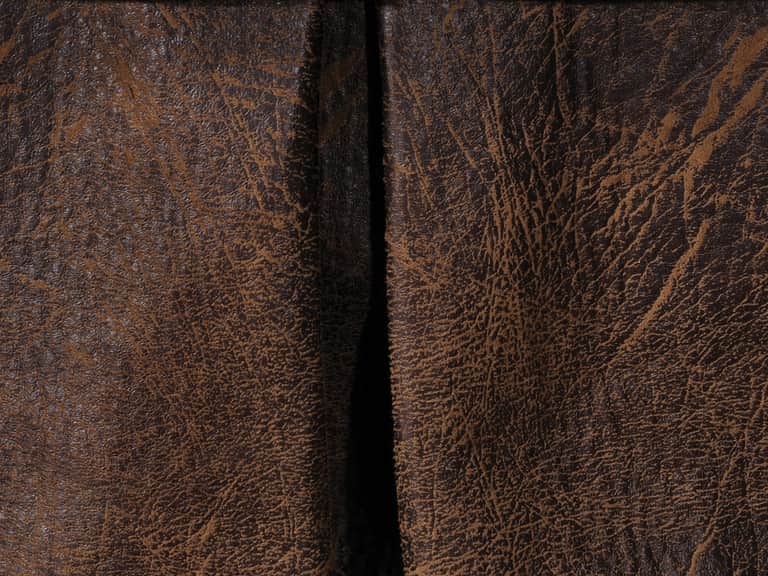
The Gallop Claret Bed Skirt illustrates how bed skirts contribute to a tidy bed frame profile and skirt-length suitability for different bed heights. Functional benefits include hiding under-bed storage, reducing dust collection on exposed framework, and delivering a polished finish. When selecting a bed skirt, consider hidden fastenings and hem stability to maintain a neat look over time.
In nursery, guest rooms, or master bedrooms, coordinating duvet covers with bed skirts can create cohesive themes while preserving practical benefits such as easy laundering and fabric resilience. Meta keywords like bedding, sheets, and organic mattresses appear across related pages, signaling a holistic approach to sleep surfaces and comfort systems.
Overall, this category highlights how duvet covers and bed skirts interact with pillows, sheets, and other bedding components to support healthy sleep environments. By analyzing fabric performance, care needs, and compatibility with mattress types, you can select textiles that balance comfort, cleanliness, and visual harmony.
 Bedding