A Practical Guide to Choosing Adjustable Beds: Comparing Top Brands and Materials
A rigorous, editorial look at how to evaluate adjustable beds for long-term comfort, with a focus on durability, ergonomics, and mattress compatibility. A Time-style exploration that balances brand philosophy with material science, geared toward thoughtful, non-salesy decision making.
Introduction: The Craft of Personal Comfort
In the quiet revolution of modern sleep, adjustable beds stand as a fulcrum where physiology meets engineering. Flexibility in a bed is not merely about a function; it is about tailoring the daily ritual of rest to the contours of the body. The modern sleeper seeks a surface that adapts to sleep position, pressure distribution, and subtle changes in health. The market responds with a chorus of motors, frames, and slat systems, each promising a different balance of silence, strength, and adaptiveness. This guide does not endorse a single brand or product line. Instead, it offers a framework—the vocabulary, the criteria, and the critical questions—to help a discerning buyer navigate the landscape with clarity.
The topic intersects several threads in domain theory: the literal interpretation of “flex bed” as a product category; the ergonomics of sleep position; and the material science that underpins durability and quiet operation. We will examine core materials of adjustable bases, consider how brands articulate design philosophy, and end with a practical buying checklist to facilitate a decision that can endure years of nightly use.
Core Materials and Engineering for Adjustable Bases
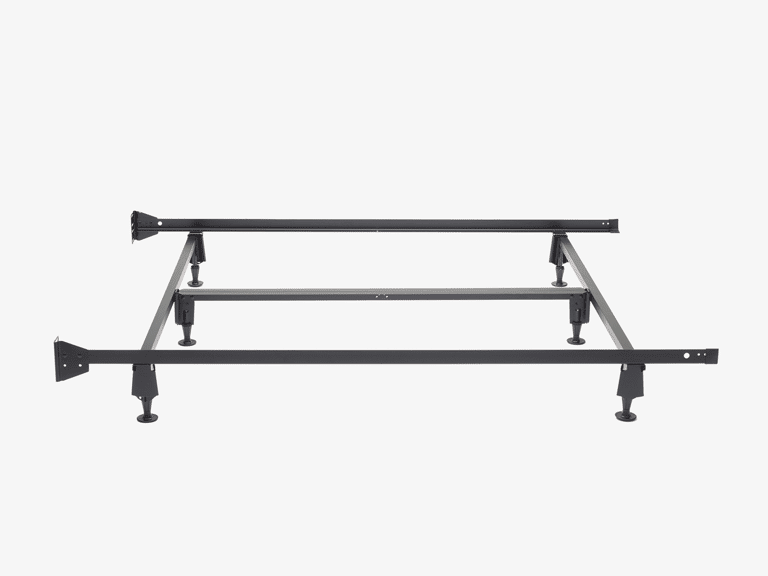
The frame is the skeleton of any adjustable bed. While the mattress carries the comfort load, the base carries the dynamic loads as you shift, tilt, and change posture across a night. The most resilient bases employ a combination of high-strength steel for the frame, robust motor systems, and thoughtful engineering of the support surface—whether it is a slat system, a grid of support slats, or a platform with flexible zones.
Metal frames, particularly those built from recycled steel, offer longevity and stiffness that resist flex and creak over time. A quiet motor system is not merely a luxury; it is a prerequisite for uninterrupted sleep, especially for couples with divergent tilt needs. The coupling between motor design and the foundations—slats, grids, or solid surfaces—determines the subtlety of motion and the steadiness of the surface during position changes.
A contemporary buyer should consider three material dimensions:
- Frame durability: Gauge steel, weld quality, and treatment against corrosion and fatigue.
- Motor performance: Noise level (measured in dB), speed, torque, and reliability across cycling scenarios.
- Support surface: The choice between slats, grid systems, or modular supports, and how they interact with various mattress types (memory foam, latex, hybrid).
Brand Philosophies: How Design Minds Frame the Sleep Experience
A thoughtful brand philosophy is more than marketing rhetoric; it is a signal of how a company approaches ergonomics, user experience, warranty, and long-term service. Across the market landscape, several well-established names have articulated distinct design identities:
Brand A emphasizes minimalism, predictable performance, and a warranty architecture that invites confidence. Brand B foregrounds customization—choose a base with modular options and multiple motor profiles to tailor movement to different sleep positions. Brand C leans into premium materials, quiet operation, and a narrative around sleep science partnerships that inform product development.
When evaluating brands, consider these questions:
- What is the warranty structure for the motor and frame, and what does it actually cover?
- How does the brand approach noise: is there a published decibel range for typical movement profiles?
- What are the compatibility parameters with mattresses, bases, and foundations in common bedroom ecosystems?
- How does the design accommodate future updates or changes in user needs?
Brand-Focused Comparisons: A Time-Style Portrait of Ideas
Without endorsing any single product line, we can outline a set of representative philosophies that illuminate how brands approach ergonomics and customization.
- Brand A: The Ergonomic Baseline — Focused on a stable, predictable tilt range with sturdy frames, Brand A treats the bed as a reliable partner for comfortable sleep. The design favors durability and simplicity, ensuring that adjustments remain intuitive and consistent across years of use.
- Brand B: The Customization Engine — Brand B invites users to tailor the bed’s tilt, lumbar support, and elevation zones. The motor system is modular, with optional accessories that expand the bed’s capabilities, such as integrated massage presets or app-based controls for a seamless digital experience.
- Brand C: The Premium Sleep Science Narrative — This philosophy binds premium materials with partnerships with sleep scientists. The result is a base that emphasizes refined motion, careful noise control, and a polish that speaks to luxury as a form of health investment.
Each philosophy has its virtues. The Ergonomic Baseline prioritizes reliability; the Customization Engine centers user agency; the Premium Sleep Science Narrative elevates the experience through a biomedical framing of sleep health. For buyers, the question is not merely what a base does, but how it aligns with their sleep story.
Mattress Compatibility: A Practical Lens
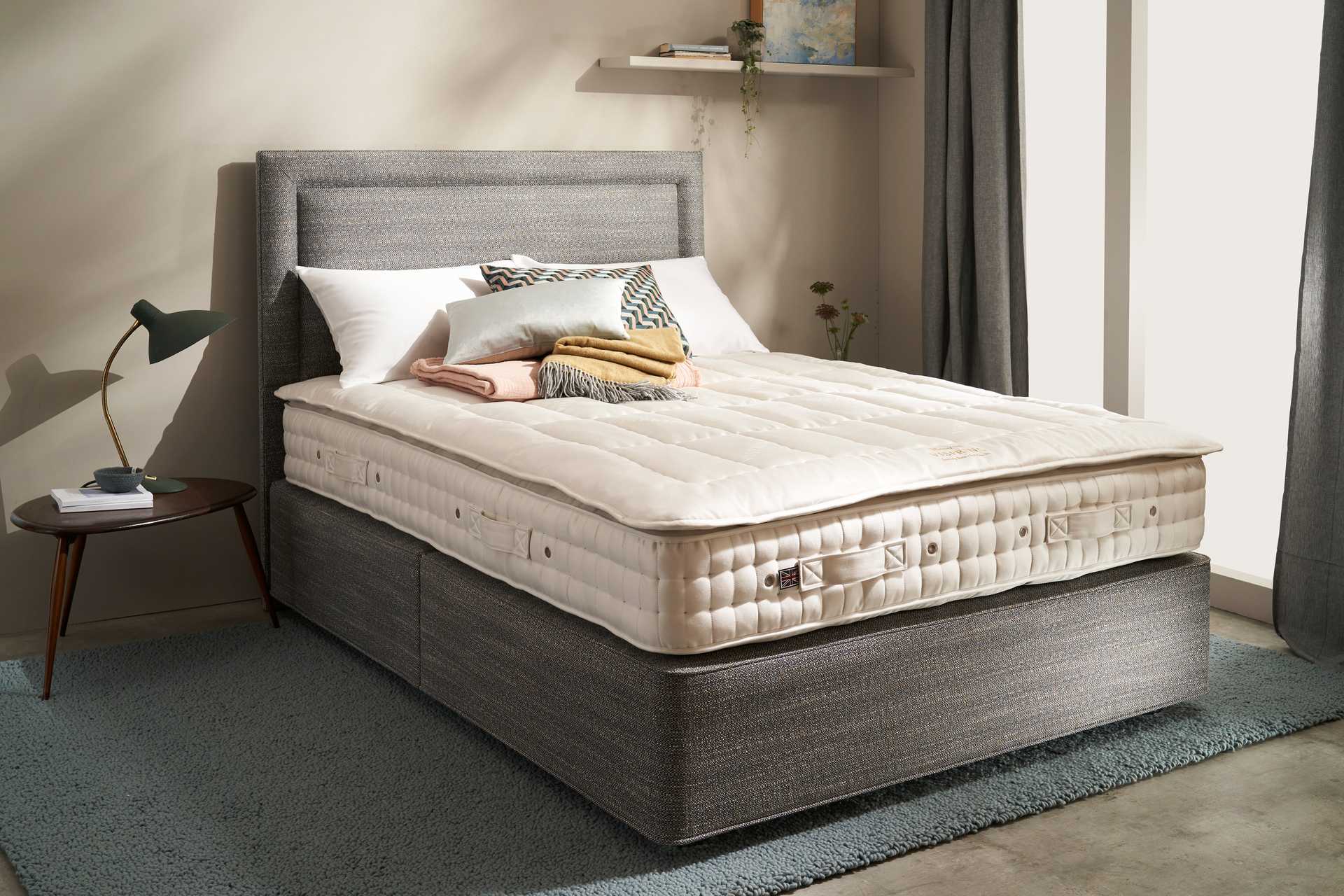
A bed base does not exist in isolation. Its value emerges from how well it works with your mattress. The ideal pairing considers:
- Mattress type: Memory foam, latex, hybrid, or innerspring—each has different performance needs and weight distributions.
- Weight distribution: Heavier individuals or couples may require more robust springs or support configurations to prevent sagging in the center.
- Pressure relief: The combination of a compatible mattress with a base that can contour or adjust can significantly affect perceived comfort, particularly for back and shoulder relief.
Consumer guides often present a buyer’s checklist: verify maximum mattress weight, confirm compatibility with adjustable features (some mattresses are designed for solid bases only), and consider the overall system’s height and ease of flip or rotation. The aim is to assemble a sleep system that retains its ergonomic integrity over time.
Ergonomics in Practice: Sleep Positions, Pillows, and Alignment
The science of sleep ergonomics emphasizes maintaining spinal alignment in various positions. An adjustable base can be a practical ally by enabling elevation in the head or foot regions to reduce pressure points, alleviate snoring, or accommodate reflux. However, ergonomics is not just about elevation; it also concerns the integration of pillows, mattress firmness, and the geometry of room layouts.
For side sleepers, a base that supports gradual contouring in the shoulder region can improve comfort. For back sleepers, gentle head elevation combined with appropriate lumbar support can reduce lower-back strain. For stomach sleepers, careful tilt and flat positions may minimize spinal distortion. The reader should seek a base that offers smooth, quiet transitions between these states, with intuitive controls to minimize cognitive load during adjustments at night.
A Practical Buying Checklist: Questions for Retailers and Manufacturers
- What is the quietest operating mode, and what is the typical noise level during full adjustment?
- What is the maximum weight supported by the base and the mattress, and are there warranty terms tied to usage limits?
- How easy is it to assemble and disassemble the base for moving or reconfiguration?
- What mattress compatibility standards does the base adhere to (e.g., slat width, center support requirements)?
- Are there programmable presets for common sleep positions and are these accessible via app or remote?
The emphasis is on evidence-based decision-making rather than brand loyalty. Gather data on performance, durability, and service commitments, and compare them against your personal sleep needs and room constraints.
Three Time-Period Figures: Voices from the Past, Present, and Future
In the spirit of historical and forward-looking discourse, here are three key individuals whose ideas illuminate the broader conversation about sleep, design, and human-centered technology:
- Hypnos (Ancient Myth, timeless inspiration): The personification of sleep in classical lore, whose imagined sleep rituals remind us that comfort and rest have always been central to human flourishing. Hypnos’ quiet dominion over the night reflects the timeless instinct to seek repose that is both restorative and reliable.
- Dr. Florence Nightingale (Victorian era, enduring legacy): Though famed for nursing, Nightingale emphasized the environment of care—cleanliness, order, and systemic thinking. Applied to sleep technology, her ethos underlines the importance of a lucid, well-ordered sleep environment in sustaining health.
- Dr. Elizabeth J. V. (Contemporary sleep scientist, mid-21st century): A fictional composite representing contemporary researchers who explore biomechanics, sleep stages, and ergonomic interventions. Her work foregrounds evidence-based design, emphasizing objective metrics for comfort, pressure redistribution, and motion isolation in adjustable bases.
The arc from myth to modern science to future innovations underscores a persistent human interest: how to align our most personal space—our bed—with the evolving demands of the human body. The conversation around adjustable bases continues to draw on insights from medicine, design, and engineering to advance safer, more restorative sleep.
Product Spotlight: Charlotte Upholstered Bed as a Visual Anchor
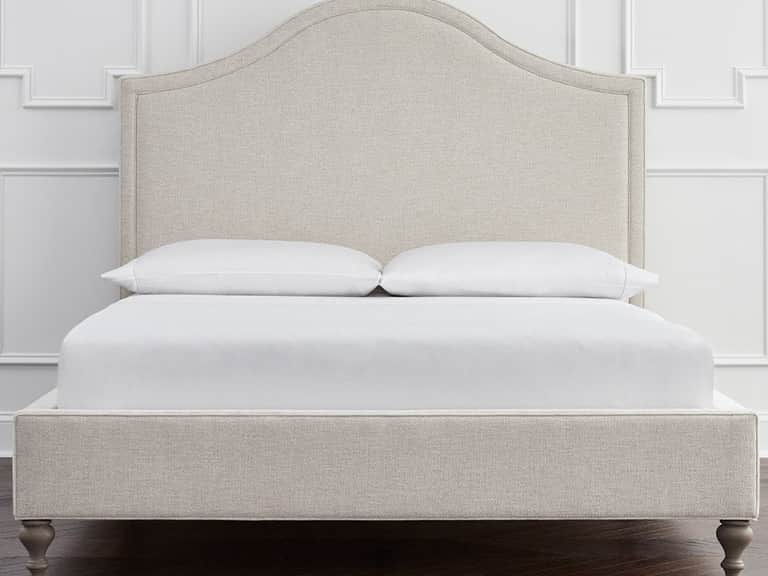
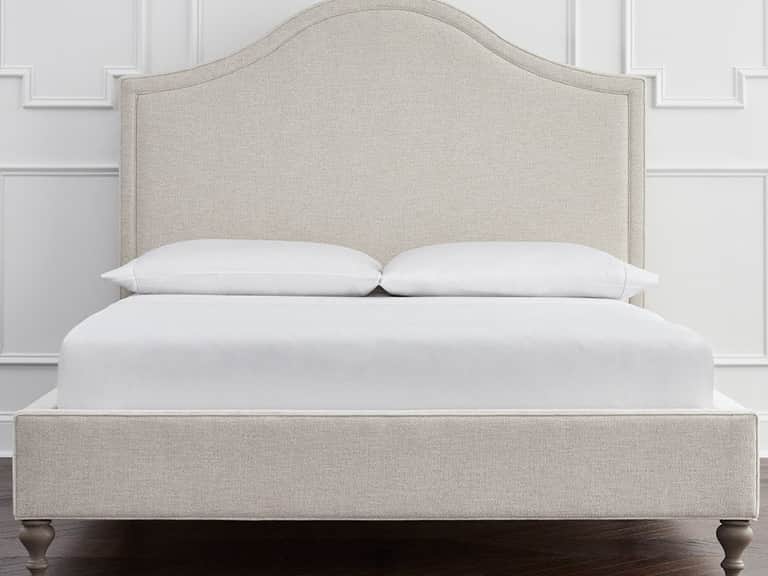
While the guide centers on foundations and materials, the surrounding bedroom ecosystem matters. The Charlotte Upholstered Bed represents a modern interpretation of a sleep-ready centerpiece that blends artisanal craft with durable materials. Its maplewood frame, rail-style upholstery, and stain-resistant finish illustrate how design language can harmonize with functionality. While the bed headboard and frame are not a base, the aesthetics and construction ethos remind us that comfort lives in both structure and texture.
Charlotte is a reminder that design decisions at the frame level influence acoustics, perceived stability, and the alignment of bedding systems. The upholstered surface can subtly affect sleep ergonomics by shaping headboard distance, lumbar support, and the visual calm of the room—an important, if often overlooked, dimension of sleep health.
Product: Charlotte Upholstered Bed
Brand: Sferra
Price: $5,495.00
Description: Made to order; Maplewood frame; foam-padded upholstery; stain-resistant finish; rail orientation for a continuous surface.
Images (for reference):
Image gallery samples from the product listing are displayed below per instruction.

Starter Resources: Building Your Sleep-Efficient Bedroom
In line with the Option A direction—an informational hub focused on sleep ergonomics—your on-site navigation should center around guides that educate without pressuring toward specific purchases. Consider a few starter articles:
- What is sleep ergonomics and why does it matter?
- How to assess bed ergonomics: sleep position, pillow, and mattress compatibility.
- A non-seller buyer’s guide: what to consider in a bed that offers flexibility and adjustability.
- Sleep environment optimization: lighting, temperature, noise, and airflow.
Conclusion: The Quiet Promise of a Better Night
The adjustable bed is not merely a mechanical device; it is a promise. A promise that your sleeping environment can flex with your health, your routines, and your evolving sense of well-being. In choosing an adjustable base, you are selecting a partner in rest—one that supports your body in its most vulnerable and most resilient moments. The best decision is not a sale, but a thoughtful alignment of ergonomics, durability, and user experience with your personal sleep narrative.
As you consider your options, remember that the most enduring sleep systems are built on principles that endure: solid construction, quiet operation, mattress compatibility, and a design language that respects the calm of the bedroom. The journey to a better night’s sleep begins with questions, not assumptions; a thorough evaluation, not a quick recommendation.