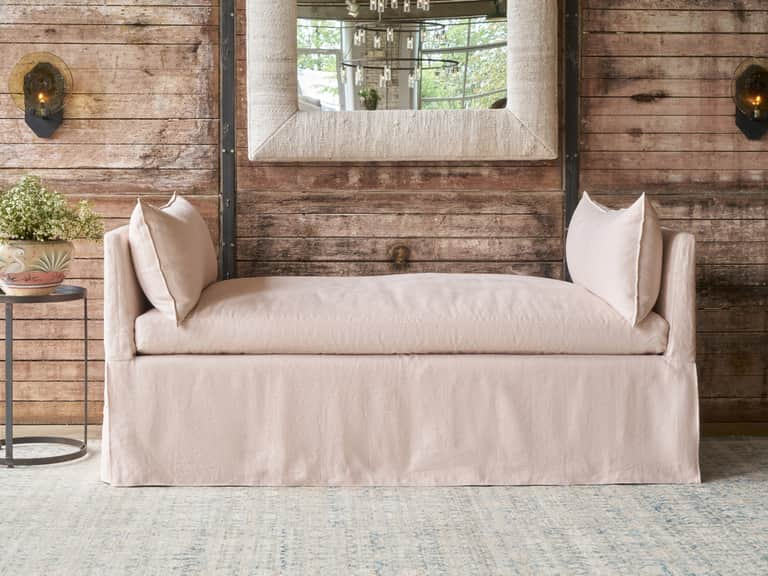
Daybeds combine the functions of a sofa and a bed, making them useful in guest rooms, home offices, and smaller living spaces. Their open-sided form supports daytime seating while providing a place to sleep at night. Choosing suitable bedding, pillows, and sheets helps adapt the arrangement to both resting and everyday use.
The Cisco Home Linda Trundle Daybed pairs a daybed with a trundle, an additional sleeping platform that can be used when guests stay over. This configuration can provide extra sleeping capacity without requiring a permanently separate bed. Its dual-purpose design is relevant to households seeking flexible ways to use a room.
When planning a daybed setup, check mattress dimensions and the space needed to extend or store the trundle. Mattress thickness and clearance can affect whether the lower platform moves freely. Fitted sheets should match each mattress size, while pillows and suitable bedding can make the upper or lower sleeping surface more comfortable.
Daybeds may serve as reading seats, relaxing spots, or occasional guest beds, depending on room layout and daily needs. Positioning the frame with enough clearance around the trundle helps maintain access and usability. A coordinated choice of sheets, pillows, and blankets can also help the daybed function as part of a living area.
Material and mattress requirements vary by product, so confirm the specifications before selecting compatible bedding. Organic mattresses are an option for some sleeping arrangements, while organic crib mattresses are designed for crib dimensions and are not generally substitutes for daybed mattresses. Matching the mattress to the frame supports fit, function, and intended use.
 Furniture